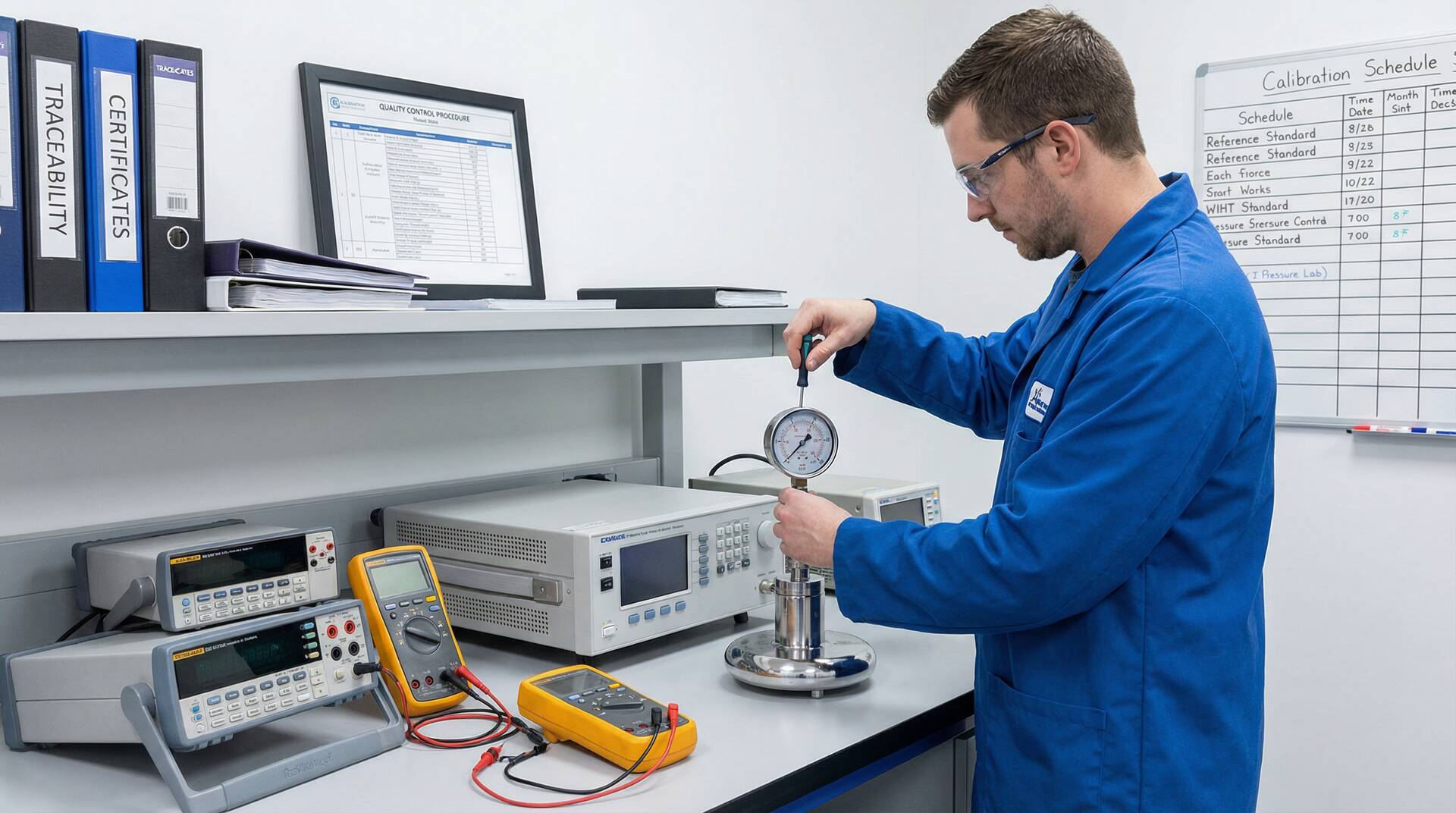
Calibration and Maintenance Guide for Industrial Instrumentation
Essential guide to calibration procedures, maintenance schedules, and best practices for ensuring accuracy and reliability of industrial instruments.
The Importance of Calibration and Maintenance
Regular calibration and maintenance are essential for ensuring the accuracy, reliability, and longevity of industrial instrumentation. Properly calibrated instruments provide accurate measurements that support process control, quality assurance, and regulatory compliance. Effective maintenance programs minimize downtime, extend equipment life, and reduce total cost of ownership. This comprehensive guide covers calibration principles, maintenance best practices, and strategies for optimizing instrument performance.
Calibration Fundamentals
Understanding Calibration
Calibration is the process of comparing an instrument's measurements against a known reference standard and adjusting the instrument to minimize measurement errors. The calibration process establishes traceability to national or international measurement standards, typically through a chain of calibrations linking the instrument to primary standards maintained by national metrology institutes such as NIST (National Institute of Standards and Technology).
Calibration involves several key concepts: accuracy (closeness to true value), precision (repeatability of measurements), resolution (smallest detectable change), and uncertainty (quantified doubt about measurement results). Understanding these concepts is essential for establishing appropriate calibration procedures and acceptance criteria.
Calibration Standards and Traceability
Calibration standards must have known accuracy traceable to national or international standards. Primary standards are maintained by national metrology institutes and provide the highest level of accuracy. Secondary standards are calibrated against primary standards and used for routine calibration work. Working standards are used for day-to-day calibrations and must be regularly calibrated against secondary standards.
Maintain calibration certificates for all standards, documenting calibration dates, uncertainty values, and traceability chains. Establish calibration intervals for standards based on stability, usage frequency, and criticality. Store standards in controlled environments to maintain their accuracy, and handle them carefully to prevent damage.
Calibration Procedures
Developing Calibration Procedures
Effective calibration procedures document step-by-step instructions for calibrating each instrument type. Procedures should specify required equipment, environmental conditions, test points, acceptance criteria, and adjustment methods. Include safety precautions, special handling requirements, and troubleshooting guidance.
Test points should cover the instrument's full range, with additional points near critical operating conditions. Typically, five to ten test points provide adequate coverage. Perform calibrations in both ascending and descending directions to detect hysteresis. Record all measurements, adjustments, and observations for documentation and trend analysis.
In-Situ vs Laboratory Calibration
In-situ calibration is performed with instruments installed in their operating location, minimizing downtime and maintaining process continuity. This approach is practical for large or permanently installed instruments but may have limited accuracy due to environmental conditions and access constraints. Laboratory calibration provides controlled conditions and higher accuracy but requires instrument removal and process interruption.
Choose the appropriate calibration method based on accuracy requirements, process criticality, and practical constraints. Some instruments may require laboratory calibration annually with more frequent in-situ verification checks. Portable calibrators and reference standards enable field calibration with laboratory-quality accuracy.
Calibration Intervals
Determining Calibration Frequency
Calibration intervals balance the cost of calibration against the risk of out-of-tolerance measurements. Factors affecting calibration frequency include instrument stability, operating conditions, criticality of measurements, regulatory requirements, and historical drift data. New instruments may require more frequent calibration until stability is established.
Start with manufacturer recommendations and adjust based on experience. Analyze calibration data to identify drift trends and optimize intervals. Instruments consistently found in-tolerance may have intervals extended, while those frequently out-of-tolerance require more frequent calibration. Document the rationale for calibration intervals and review them periodically.
Risk-Based Calibration
Risk-based calibration prioritizes calibration resources based on measurement criticality and failure consequences. Critical instruments affecting safety, quality, or regulatory compliance receive more frequent calibration and tighter tolerances. Less critical instruments may have extended intervals or reduced test points. This approach optimizes calibration costs while maintaining appropriate measurement quality.
Preventive Maintenance
Maintenance Planning
Effective preventive maintenance programs prevent failures, extend equipment life, and minimize unplanned downtime. Develop maintenance schedules based on manufacturer recommendations, operating conditions, and historical failure data. Schedule maintenance during planned shutdowns to minimize production impact.
Maintenance activities include visual inspection, cleaning, lubrication, wear component replacement, and functional testing. Document all maintenance activities, including findings, repairs, and parts replaced. Use computerized maintenance management systems (CMMS) to track maintenance schedules, work orders, and equipment history.
Predictive Maintenance
Predictive maintenance uses condition monitoring to detect impending failures before they occur. Smart instruments with digital communication provide diagnostic data indicating sensor degradation, process issues, or configuration problems. Vibration analysis, thermography, and oil analysis detect mechanical problems in rotating equipment.
Implement condition-based maintenance strategies that trigger maintenance based on actual equipment condition rather than fixed schedules. This approach reduces unnecessary maintenance while catching problems before they cause failures. Advanced analytics and machine learning enable early detection of subtle degradation patterns.
Documentation and Record Keeping
Calibration Records
Maintain comprehensive calibration records documenting as-found and as-left conditions, test results, adjustments made, standards used, environmental conditions, and technician identification. Records must be legible, complete, and securely stored. Electronic calibration management systems simplify record keeping and enable trend analysis.
Calibration certificates should include instrument identification, calibration date, standards used with traceability information, test results, uncertainty statements, and next calibration due date. Certificates must be signed by qualified personnel and retained for the required period based on regulatory requirements.
Regulatory Compliance
Many industries face regulatory requirements for instrument calibration and maintenance. Pharmaceutical manufacturing must comply with FDA regulations and GMP requirements. Environmental monitoring follows EPA methods with specific calibration requirements. ISO 9001 quality management systems require calibration of measurement equipment.
Understand applicable regulations and implement procedures ensuring compliance. Conduct regular audits to verify compliance, maintain proper documentation, and address deficiencies promptly. Train personnel on regulatory requirements and their responsibilities.
Troubleshooting and Problem Resolution
Common Calibration Issues
Instruments may fail calibration due to various reasons: sensor degradation, electronic drift, mechanical wear, environmental factors, or process contamination. Systematic troubleshooting identifies root causes and appropriate corrective actions. Check for obvious problems such as loose connections, damaged cables, or contaminated sensors before assuming instrument failure.
Analyze calibration trends to detect gradual degradation before failures occur. Sudden changes in calibration results may indicate process changes, installation problems, or external interference. Document troubleshooting activities and solutions for future reference.
Out-of-Tolerance Investigations
When instruments are found out-of-tolerance during calibration, investigate the impact on product quality and process control. Determine when the instrument went out-of-tolerance, assess affected products or batches, and implement appropriate corrective actions. Document investigations and implement preventive measures to avoid recurrence.
Training and Competency
Qualified personnel are essential for effective calibration and maintenance programs. Provide comprehensive training on calibration principles, procedures, equipment operation, and safety requirements. Establish competency requirements and verify technician skills through practical assessments.
Maintain training records documenting courses completed, skills demonstrated, and competency assessments. Provide ongoing training on new equipment, updated procedures, and regulatory changes. Encourage professional development through industry certifications and technical seminars.
Continuous Improvement
Regularly review calibration and maintenance programs to identify improvement opportunities. Analyze calibration data to optimize intervals, evaluate new calibration technologies, and benchmark against industry best practices. Solicit feedback from technicians and operations personnel to identify practical improvements.
Implement quality metrics to track program effectiveness: calibration compliance rates, out-of-tolerance rates, instrument downtime, and maintenance costs. Use metrics to drive improvement initiatives and demonstrate program value. Participate in industry forums and professional organizations to stay current with best practices.
Conclusion
Effective calibration and maintenance programs are essential for ensuring measurement accuracy, equipment reliability, and regulatory compliance. By implementing systematic procedures, maintaining proper documentation, and continuously improving practices, organizations can optimize instrument performance while minimizing costs. Invest in qualified personnel, appropriate equipment, and robust management systems to build a world-class calibration and maintenance program.
Tags:
Related Articles
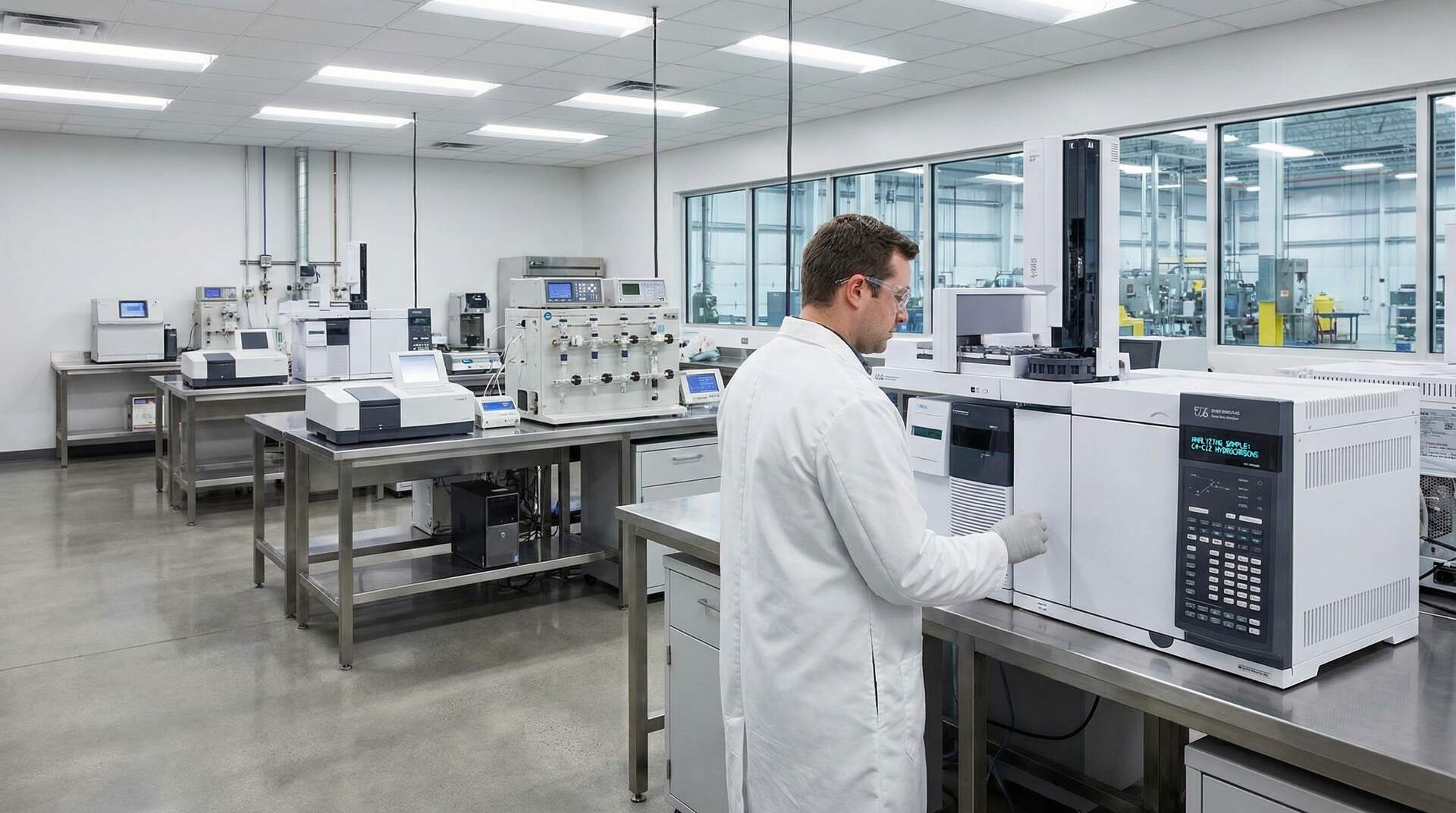
Analytical Instrumentation: A Comprehensive Selection Guide
Essential guide to selecting analytical instruments for process monitoring, quality control, and environmental compliance in industrial facilities.
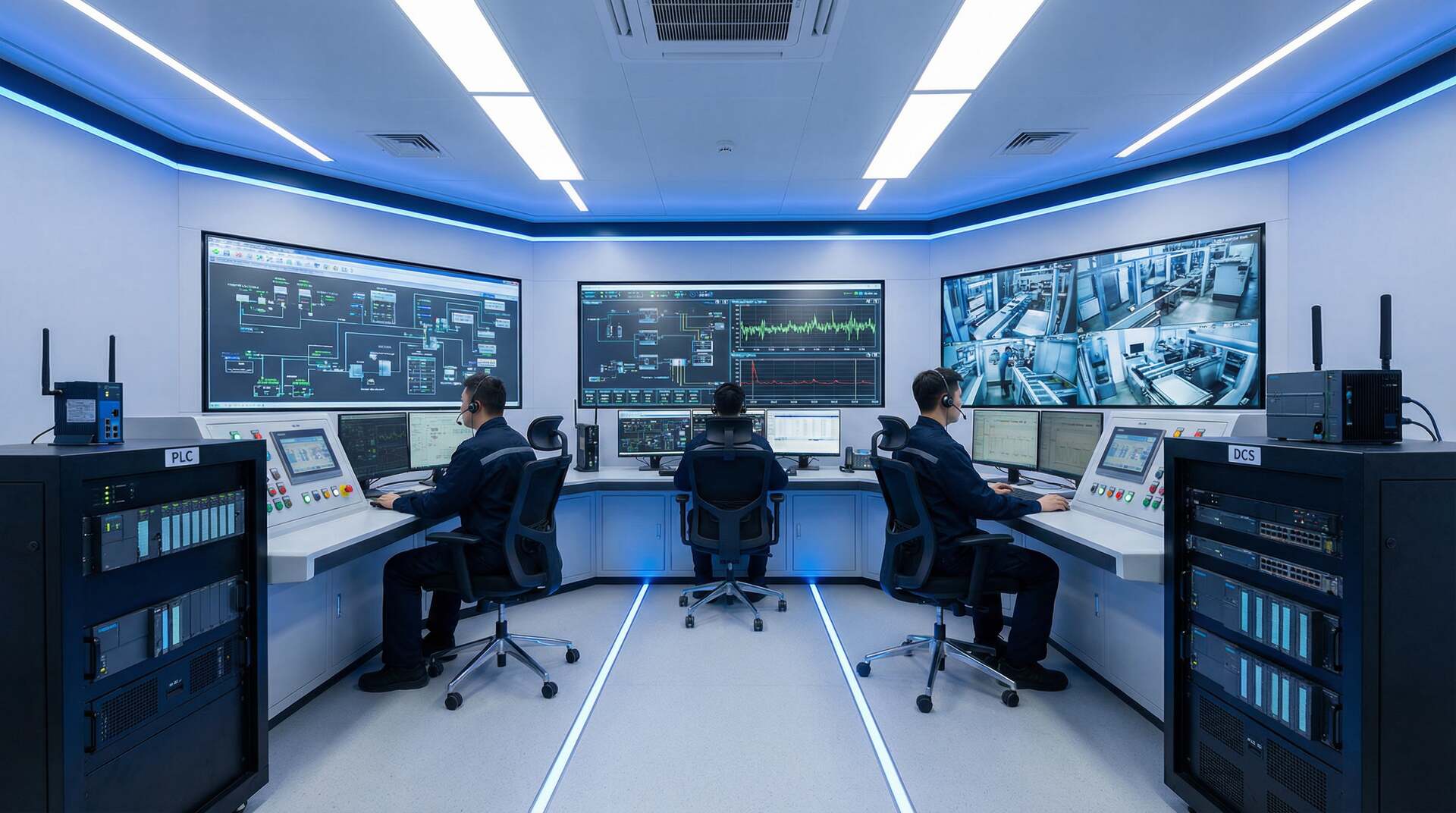
Industrial Automation Best Practices: Optimizing Manufacturing Efficiency
Discover proven strategies and best practices for implementing industrial automation systems that improve efficiency, reduce costs, and enhance product quality.
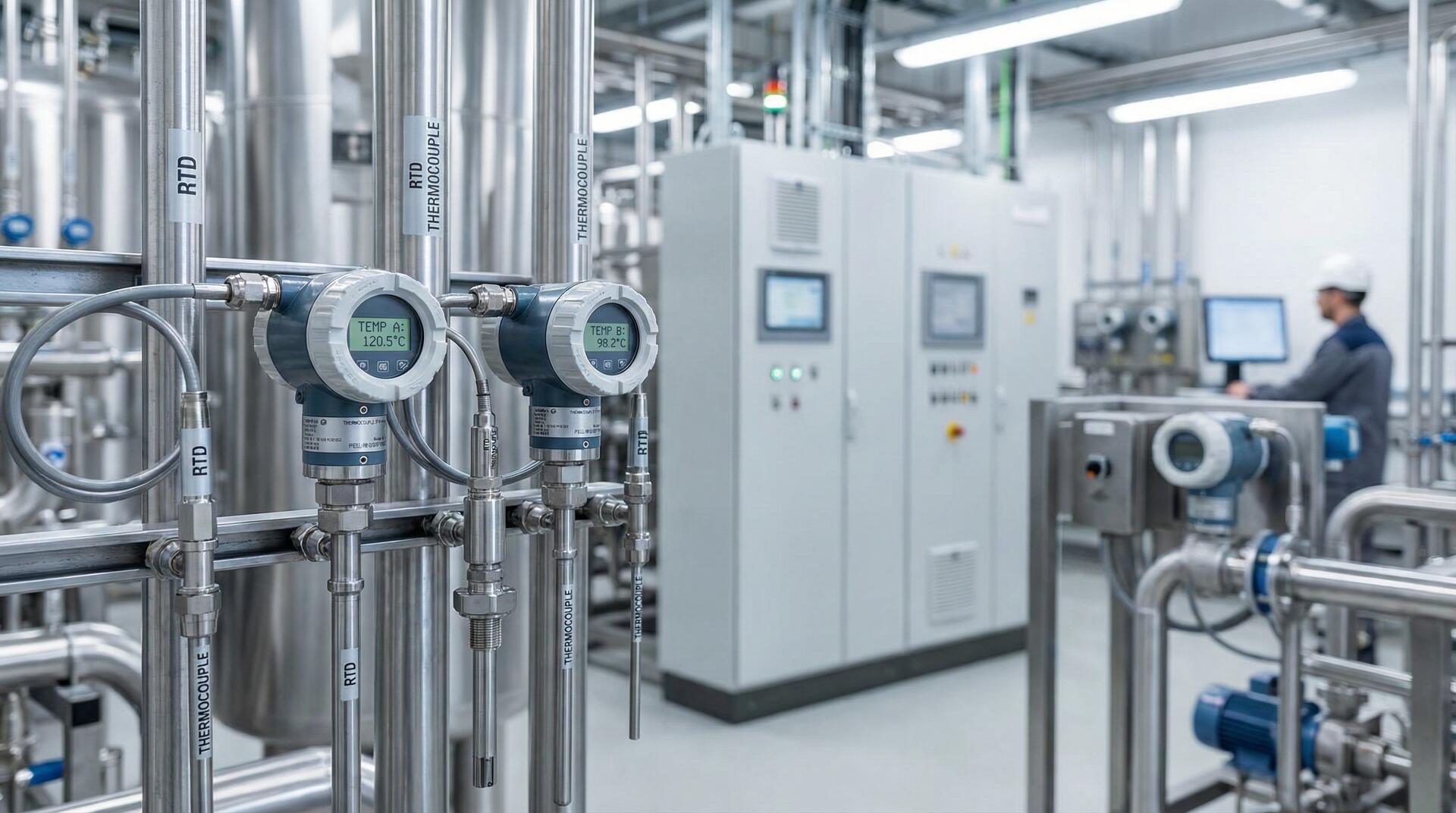
Temperature Measurement Solutions for Industrial Applications
Comprehensive guide to selecting and implementing temperature measurement solutions in industrial environments, covering thermocouples, RTDs, and infrared sensors.