Industrial Automation Best Practices: Optimizing Manufacturing Efficiency
Discover proven strategies and best practices for implementing industrial automation systems that improve efficiency, reduce costs, and enhance product quality.
The Evolution of Industrial Automation
Industrial automation has transformed manufacturing operations over the past decades, evolving from simple mechanization to sophisticated cyber-physical systems. Modern automation systems integrate sensors, controllers, actuators, and software to create intelligent manufacturing environments that optimize production efficiency, improve product quality, and reduce operating costs. This guide explores best practices for implementing and optimizing industrial automation systems.
Automation Architecture and Design
Hierarchical Control Structure
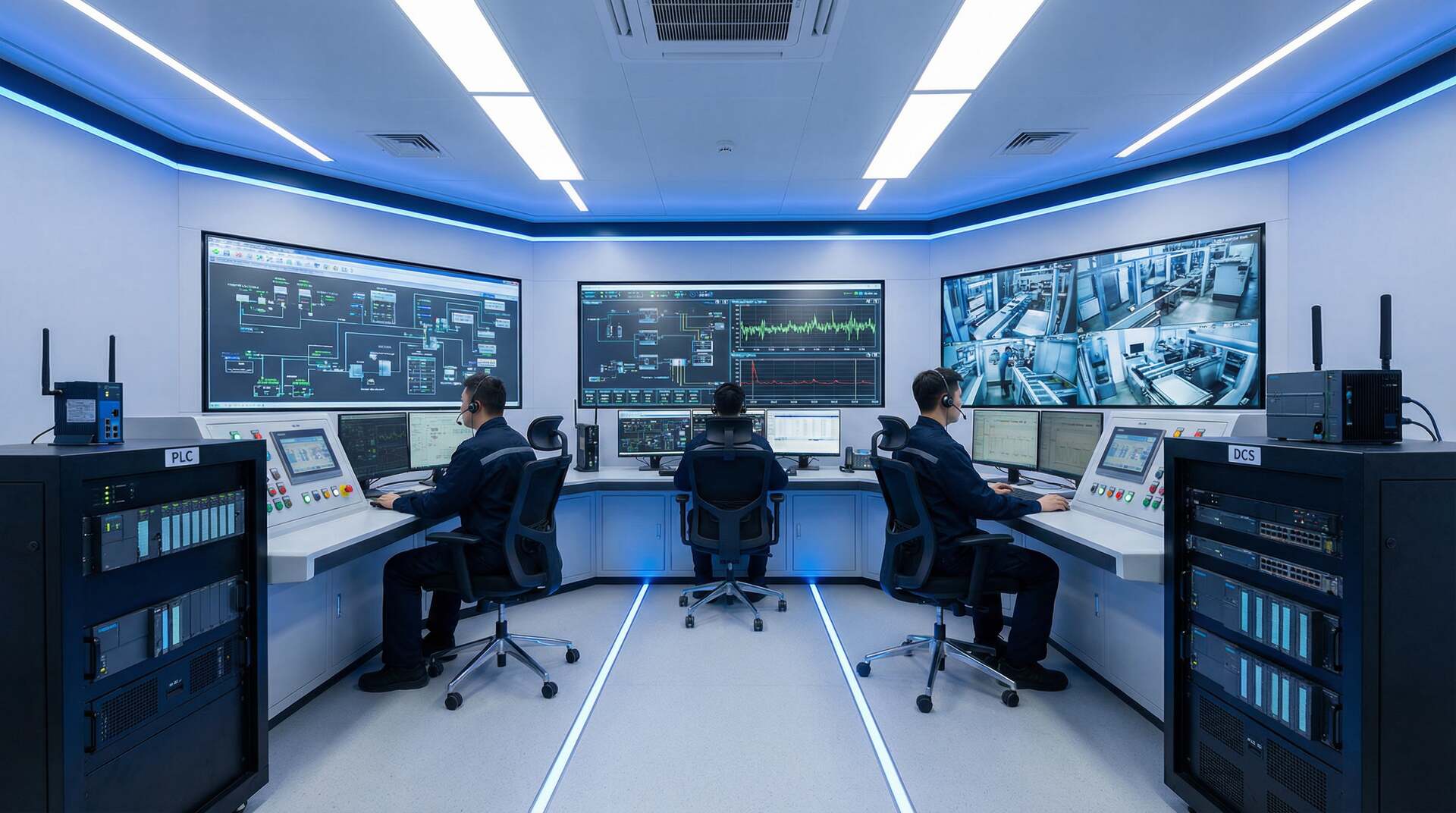
Effective automation systems follow a hierarchical control structure, typically organized into multiple levels. The field level includes sensors and actuators that interface directly with the process. The control level comprises programmable logic controllers (PLCs) and distributed control systems (DCS) that execute real-time control algorithms. The supervisory level provides operator interfaces, data historians, and advanced control functions. The enterprise level integrates manufacturing execution systems (MES) and enterprise resource planning (ERP) systems.
This hierarchical approach enables clear separation of concerns, facilitates system maintenance, and supports scalability. Each level focuses on specific functions while communicating with adjacent levels through well-defined interfaces. Modern automation architectures increasingly adopt service-oriented architectures (SOA) and industrial IoT platforms to enable flexible, distributed control systems.
Network Infrastructure
Robust network infrastructure is essential for reliable automation systems. Industrial Ethernet protocols such as PROFINET, EtherNet/IP, and Modbus TCP have largely replaced traditional fieldbus networks, offering higher bandwidth, easier integration, and support for standard IT infrastructure. Implement network segmentation to separate control networks from enterprise networks, improving security and performance.
Consider redundant network paths for critical control functions, implement quality of service (QoS) to prioritize time-critical traffic, and use managed switches with diagnostic capabilities. Wireless networks are increasingly used for mobile equipment, remote monitoring, and areas where wired connections are impractical, but require careful planning to ensure reliability and security.
Control System Selection
PLC vs DCS
Programmable Logic Controllers (PLCs) excel in discrete manufacturing applications with sequential logic, fast response times, and modular I/O requirements. They offer cost-effective solutions for machine control, material handling, and packaging applications. Distributed Control Systems (DCS) are preferred for continuous process industries such as chemical processing, oil and gas, and power generation, offering superior analog control, advanced regulatory control, and integrated operator interfaces.
Modern PACs (Programmable Automation Controllers) blur the distinction between PLCs and DCS, combining the discrete control capabilities of PLCs with the process control features of DCS. Consider application requirements, existing infrastructure, engineering expertise, and long-term support when selecting control platforms.
SCADA Systems
Supervisory Control and Data Acquisition (SCADA) systems provide centralized monitoring and control of geographically distributed assets. They are essential for utilities, pipeline operations, and facilities with multiple remote sites. Modern SCADA systems offer web-based interfaces, mobile access, and cloud connectivity, enabling remote operations and predictive maintenance.
Sensor and Instrumentation Integration
Proper sensor selection and integration are critical for automation system performance. Choose sensors with appropriate accuracy, response time, and environmental ratings for each application. Digital sensors with HART, FOUNDATION Fieldbus, or PROFIBUS communication offer enhanced diagnostics, remote configuration, and improved accuracy compared to analog sensors.
Implement redundant sensors for critical measurements, use smart transmitters with self-diagnostics to detect sensor failures, and establish regular calibration schedules. Consider wireless sensors for difficult-to-reach locations or rotating equipment, but ensure adequate battery life and reliable communication.
Safety Systems Integration
Safety Instrumented Systems (SIS)
Safety Instrumented Systems provide independent protection layers to prevent or mitigate hazardous events. SIS must be separate from basic process control systems to ensure independence and reliability. Design SIS according to IEC 61511 standards, perform safety integrity level (SIL) calculations, and implement proof testing procedures to verify continued functionality.
Machine Safety
Machine safety systems protect operators from mechanical hazards using safety PLCs, safety relays, light curtains, safety interlocks, and emergency stop circuits. Comply with relevant safety standards such as ISO 13849 and IEC 62061, perform risk assessments, and implement appropriate risk reduction measures. Use certified safety components and maintain proper documentation of safety functions.
Human-Machine Interface Design
Effective HMI design improves operator efficiency and reduces errors. Follow ISA-101 standards for HMI design, implementing consistent graphics, intuitive navigation, and appropriate alarm management. Use high-performance graphics to show process status at a glance, provide context-sensitive help, and enable efficient troubleshooting.
Modern HMIs support mobile devices, enabling operators to monitor and control processes from anywhere. Implement role-based access control, audit logging, and secure authentication to protect against unauthorized access. Consider situational awareness principles, providing operators with the right information at the right time to make informed decisions.
Data Management and Analytics
Industrial data historians collect and store time-series process data for analysis, reporting, and regulatory compliance. Modern historians support high-frequency data collection, efficient compression, and flexible query capabilities. Integrate historians with advanced analytics platforms to enable predictive maintenance, process optimization, and quality improvement.
Implement data contextualization to add meaning to raw sensor data, use data cleansing techniques to remove outliers and invalid data, and establish data retention policies based on regulatory requirements and business needs. Cloud-based analytics platforms enable advanced machine learning and AI applications without significant on-premises infrastructure investment.
Cybersecurity
Industrial cybersecurity is essential for protecting automation systems from cyber threats. Implement defense-in-depth strategies with multiple security layers, including network segmentation, firewalls, intrusion detection systems, and endpoint protection. Follow IEC 62443 standards for industrial cybersecurity, conduct regular security assessments, and maintain security patches and updates.
Establish access control policies, use strong authentication, and monitor system access. Implement change management procedures to track system modifications, maintain backups of control system configurations, and develop incident response plans. Train personnel on cybersecurity awareness and establish clear security responsibilities.
Maintenance and Continuous Improvement
Establish preventive maintenance programs for automation equipment, including regular inspection, calibration, and replacement of wear components. Implement condition-based maintenance using sensor data and analytics to predict equipment failures before they occur. Maintain spare parts inventory for critical components, and establish relationships with equipment vendors for technical support.
Continuously monitor system performance, identify improvement opportunities, and implement optimization projects. Use key performance indicators (KPIs) to track automation system effectiveness, conduct regular audits to ensure compliance with standards and procedures, and invest in training to maintain engineering expertise.
Conclusion
Successful industrial automation requires careful planning, proper system design, and ongoing optimization. By following best practices for architecture design, control system selection, safety integration, and cybersecurity, manufacturers can achieve significant improvements in efficiency, quality, and safety. Continuous monitoring, maintenance, and improvement ensure automation systems continue to deliver value throughout their lifecycle.
Tags:
Related Articles
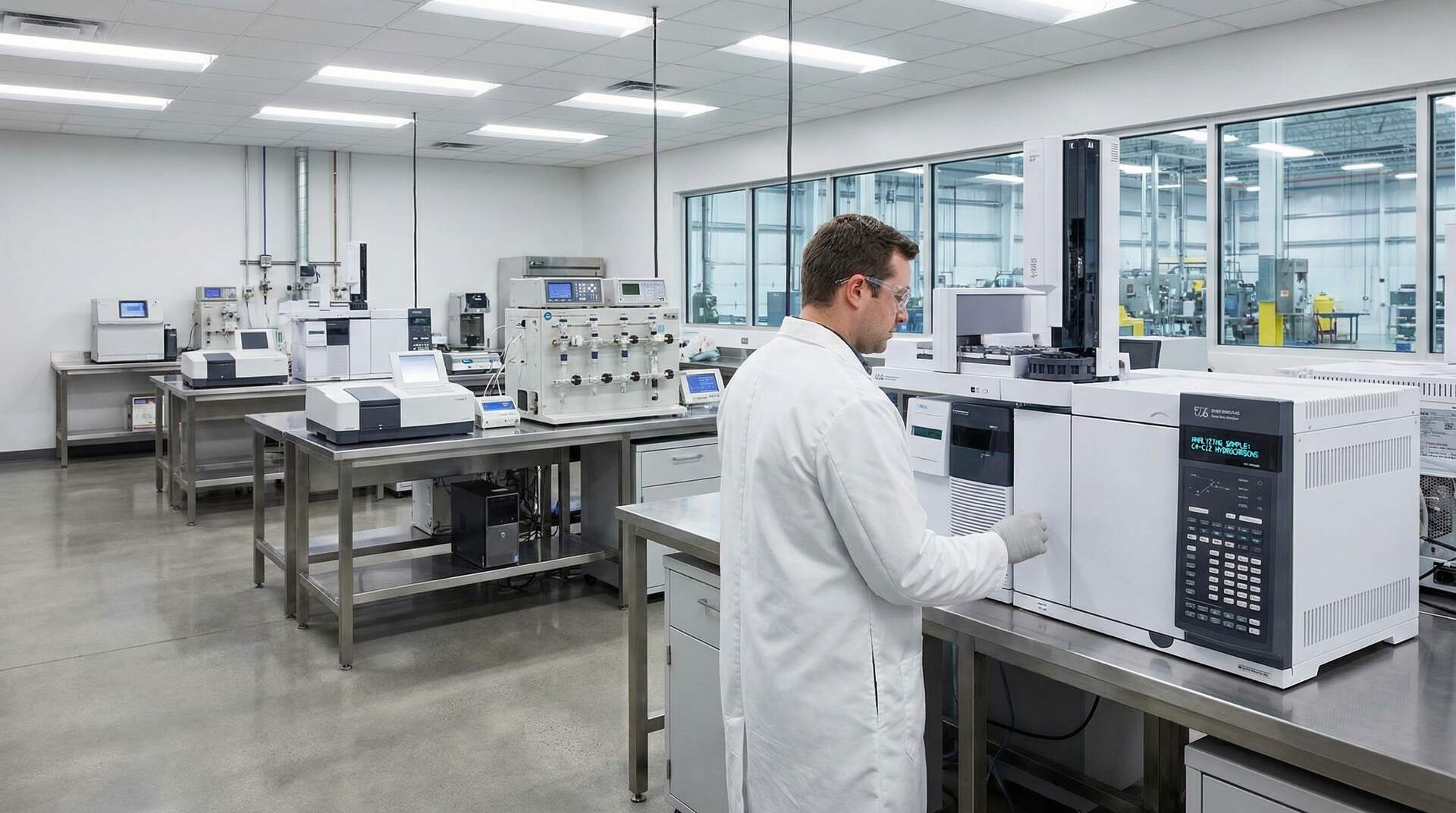
Analytical Instrumentation: A Comprehensive Selection Guide
Essential guide to selecting analytical instruments for process monitoring, quality control, and environmental compliance in industrial facilities.
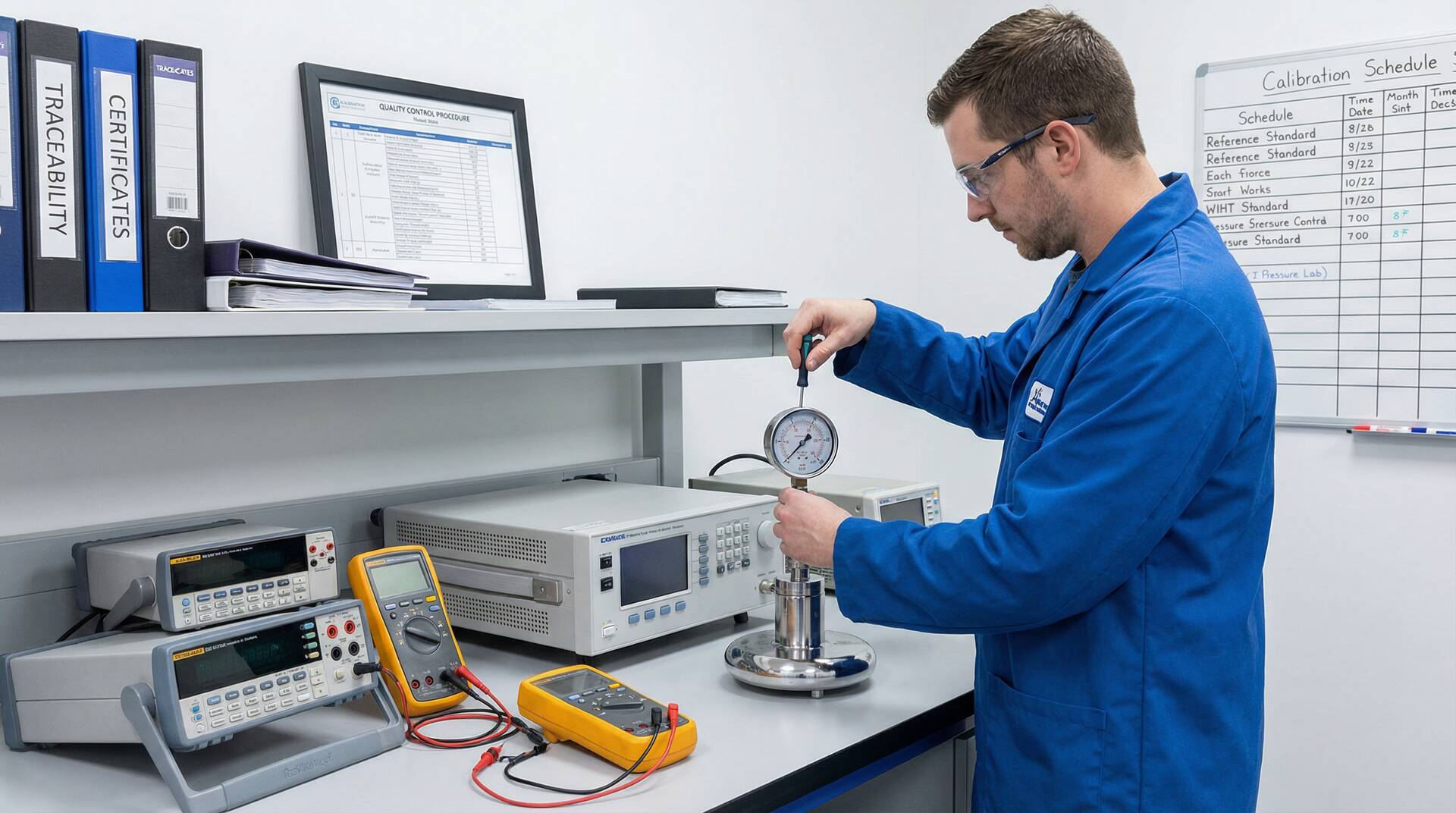
Calibration and Maintenance Guide for Industrial Instrumentation
Essential guide to calibration procedures, maintenance schedules, and best practices for ensuring accuracy and reliability of industrial instruments.
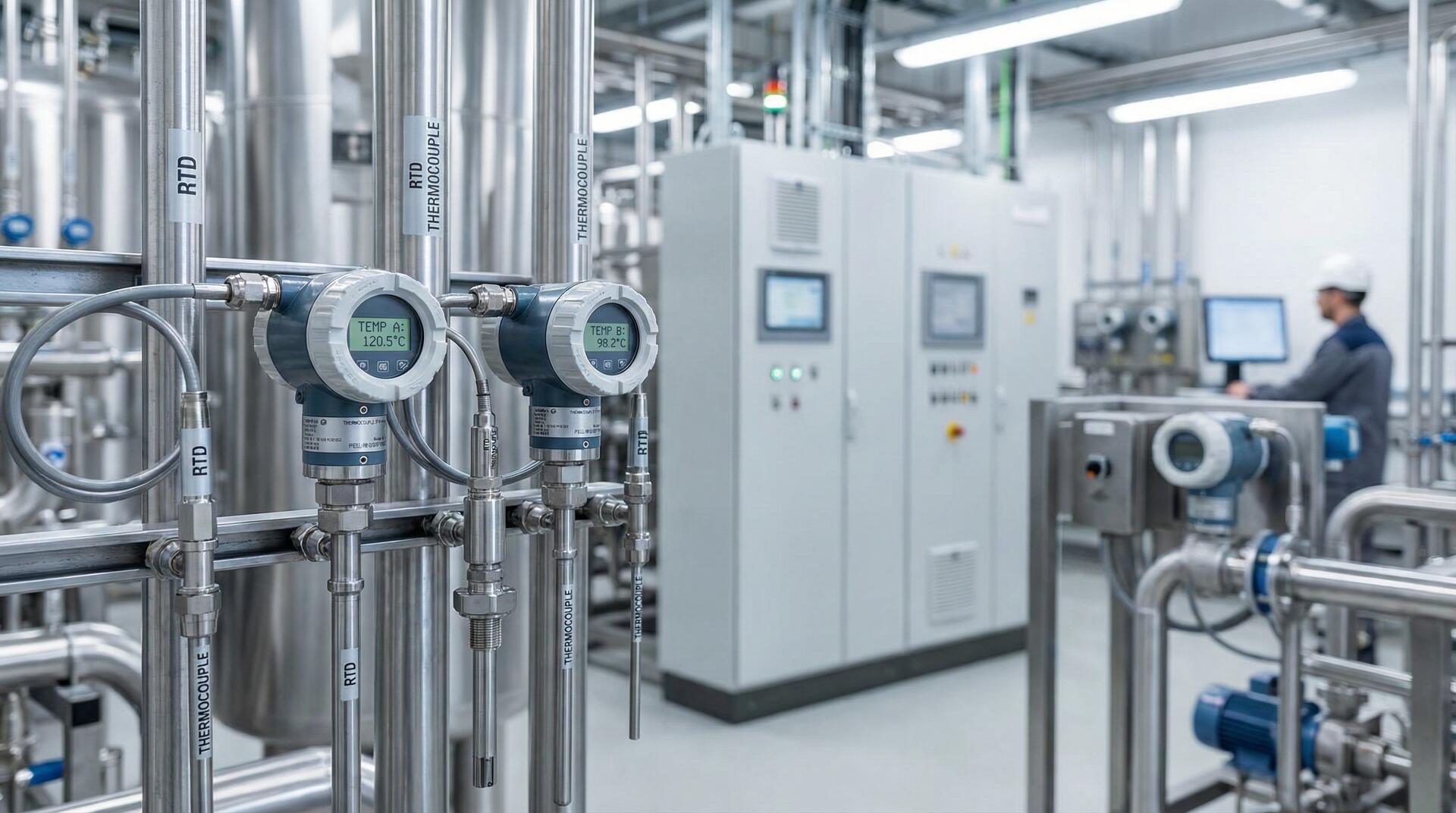
Temperature Measurement Solutions for Industrial Applications
Comprehensive guide to selecting and implementing temperature measurement solutions in industrial environments, covering thermocouples, RTDs, and infrared sensors.