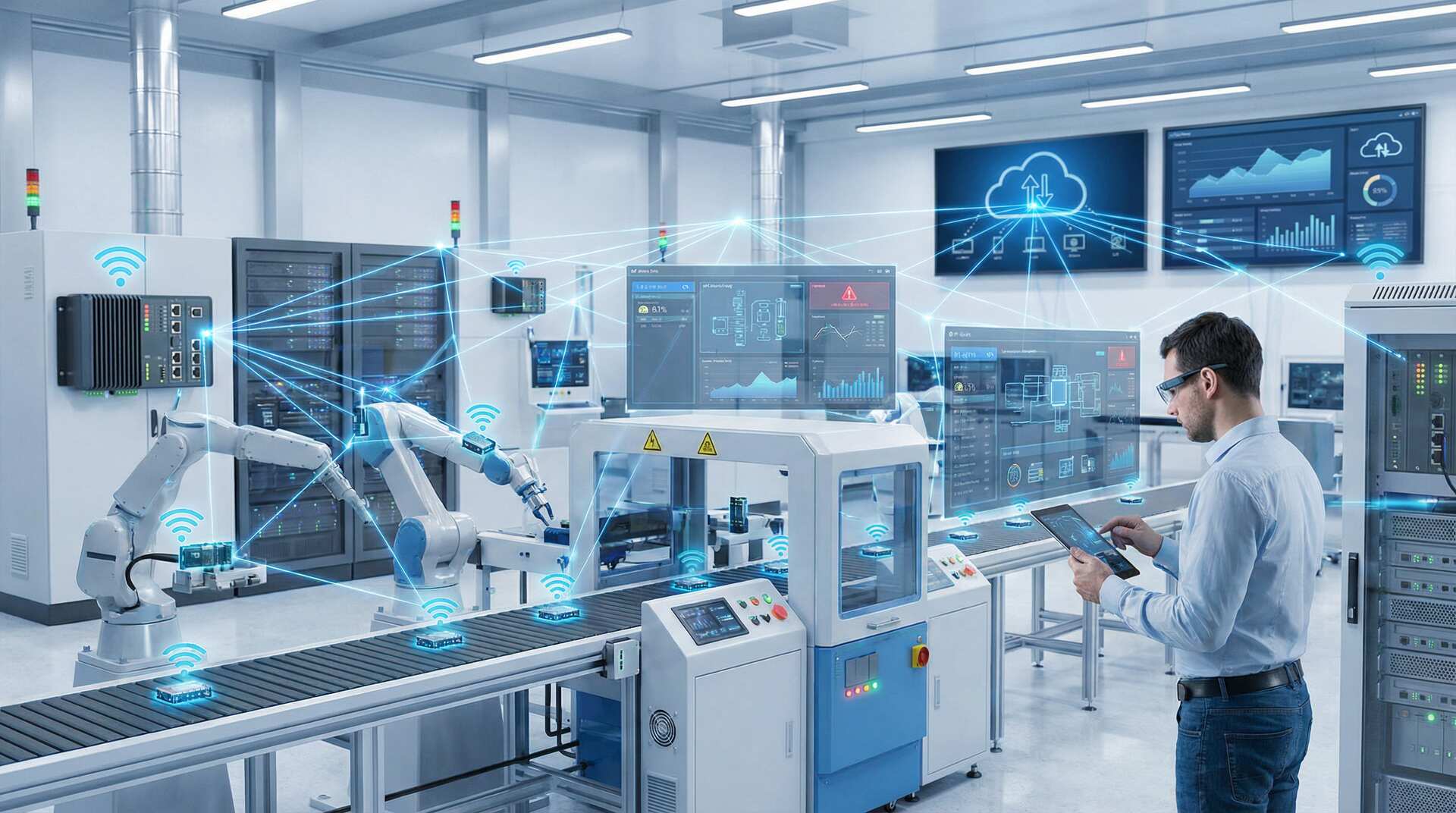
Industry 4.0 and Smart Sensors: The Future of Industrial Measurement
Explore how Industry 4.0 technologies and smart sensors are transforming industrial measurement, enabling predictive maintenance, and driving digital transformation.
Industry 4.0 and the Evolution of Industrial Measurement
Industry 4.0 represents the fourth industrial revolution, characterized by the integration of cyber-physical systems, the Internet of Things (IoT), cloud computing, and artificial intelligence into manufacturing and process industries. Smart sensors are fundamental enablers of Industry 4.0, providing the data foundation for digital transformation initiatives. This guide explores how smart sensor technologies are revolutionizing industrial measurement and enabling new capabilities in process monitoring, predictive maintenance, and operational optimization.
Smart Sensor Technologies
Digital Communication Protocols
Modern smart sensors incorporate digital communication protocols that provide significant advantages over traditional analog signals. HART (Highway Addressable Remote Transducer) protocol enables digital communication over existing 4-20mA wiring, providing access to diagnostic information, configuration parameters, and multiple process variables. FOUNDATION Fieldbus and PROFIBUS PA offer fully digital communication with advanced features such as function blocks, device integration, and deterministic timing.
Ethernet-based protocols including EtherNet/IP, PROFINET, and Modbus TCP are increasingly used for sensor communication, offering high bandwidth, easy integration with IT systems, and support for advanced diagnostics. Wireless protocols such as WirelessHART and ISA100 enable sensor deployment in difficult-to-wire locations and support mobile equipment monitoring.
Embedded Intelligence
Smart sensors incorporate microprocessors and embedded software that enable local data processing, advanced diagnostics, and autonomous decision-making. Embedded intelligence allows sensors to perform self-calibration, compensate for environmental effects, detect anomalies, and adapt to changing conditions. This distributed intelligence reduces the computational burden on central systems and enables faster response to local conditions.
Advanced smart sensors implement edge computing capabilities, performing complex analytics and machine learning inference locally. This approach reduces data transmission requirements, enables real-time decision-making, and maintains functionality during network outages. Edge computing is particularly valuable for high-speed applications, bandwidth-constrained environments, and latency-sensitive control functions.
Industrial Internet of Things (IIoT)
IIoT Architecture
Industrial IoT architectures connect sensors, controllers, and enterprise systems through layered communication networks. The edge layer includes sensors, actuators, and local controllers that interface with physical processes. The platform layer provides data aggregation, storage, and basic analytics. The enterprise layer integrates with business systems and provides advanced analytics, visualization, and decision support.
Cloud platforms play an increasingly important role in IIoT architectures, providing scalable storage, powerful analytics capabilities, and access to advanced AI services. Hybrid architectures combine on-premises edge computing with cloud services, balancing real-time performance requirements with the benefits of cloud scalability and advanced capabilities.
Connectivity and Integration
IIoT systems must integrate diverse devices, protocols, and systems. Protocol gateways translate between different communication standards, enabling legacy devices to participate in IIoT ecosystems. OPC UA (Open Platform Communications Unified Architecture) provides a standardized framework for industrial data exchange, supporting semantic data models, security, and platform independence.
APIs (Application Programming Interfaces) enable integration between IIoT platforms and enterprise systems such as MES, ERP, and asset management systems. RESTful APIs and MQTT (Message Queuing Telemetry Transport) are commonly used for lightweight, efficient data exchange. Proper integration architecture ensures data flows seamlessly from sensors to decision-makers while maintaining security and reliability.
Advanced Diagnostics and Predictive Maintenance
Self-Diagnostics
Smart sensors incorporate extensive self-diagnostic capabilities that continuously monitor sensor health and detect potential problems. Diagnostics include sensor verification (checking measurement accuracy), process diagnostics (identifying process issues), and connectivity diagnostics (detecting communication problems). Advanced diagnostics use statistical analysis and pattern recognition to detect subtle degradation before failures occur.
Diagnostic information is communicated through digital protocols using standardized formats such as NAMUR NE107 status codes. These status codes indicate sensor condition (good, maintenance required, out of specification, failure) and provide detailed diagnostic messages. Centralized asset management systems collect diagnostic data from all smart sensors, enabling proactive maintenance and reducing unplanned downtime.
Predictive Maintenance
Predictive maintenance uses sensor data and analytics to predict equipment failures before they occur. Smart sensors provide the data foundation for predictive maintenance through continuous monitoring of equipment condition, performance trends, and diagnostic indicators. Machine learning algorithms analyze historical data to identify patterns associated with impending failures and generate predictive alerts.
Implement predictive maintenance programs that combine smart sensor data with other information sources such as maintenance history, operating conditions, and equipment specifications. Prioritize maintenance activities based on failure probability, consequence severity, and resource availability. Track predictive maintenance effectiveness through metrics such as mean time between failures, maintenance cost reduction, and avoided downtime.
Digital Twins
Digital Twin Concepts
Digital twins are virtual representations of physical assets, processes, or systems that are continuously updated with real-time data from smart sensors. Digital twins enable simulation, optimization, and predictive analytics without disrupting physical operations. They support various applications including design validation, operator training, process optimization, and predictive maintenance.
Develop digital twins using physics-based models, data-driven models, or hybrid approaches combining both methods. Physics-based models use fundamental principles to simulate system behavior, while data-driven models learn patterns from historical data. Hybrid models leverage the strengths of both approaches, using physics-based models for well-understood phenomena and data-driven models for complex, difficult-to-model behaviors.
Applications and Benefits
Digital twins enable "what-if" analysis for evaluating process changes, equipment upgrades, or operating strategy modifications without risk to physical assets. They support virtual commissioning of new equipment, reducing startup time and cost. Digital twins facilitate remote monitoring and troubleshooting, enabling experts to diagnose problems and recommend solutions without site visits.
Advanced digital twins incorporate artificial intelligence and machine learning to continuously improve model accuracy and predictive capabilities. They enable autonomous optimization, automatically adjusting operating conditions to maximize performance while respecting constraints. Digital twins also support training and knowledge transfer, providing realistic simulation environments for operator training and process understanding.
Cybersecurity for Smart Sensors
Security Threats
Increased connectivity of smart sensors creates new cybersecurity vulnerabilities. Potential threats include unauthorized access to sensor data, manipulation of sensor readings, denial of service attacks, and use of compromised sensors as entry points to control systems. Implement defense-in-depth strategies with multiple security layers to protect against these threats.
Security Best Practices
Implement network segmentation to isolate sensor networks from enterprise networks and external connections. Use firewalls, intrusion detection systems, and secure communication protocols to protect data in transit. Implement strong authentication and authorization for sensor access, using certificates and encrypted credentials rather than default passwords.
Maintain security patches and firmware updates for all smart sensors and network devices. Conduct regular security assessments to identify vulnerabilities and verify security controls. Implement security monitoring to detect anomalous behavior and potential security incidents. Follow IEC 62443 standards for industrial cybersecurity and participate in information sharing programs to stay informed about emerging threats.
Data Management and Analytics
Big Data Challenges
Smart sensors generate enormous volumes of data that must be efficiently collected, stored, and analyzed. Implement data management strategies that balance data retention requirements with storage costs. Use data compression, aggregation, and edge processing to reduce data volumes while preserving information value. Implement data lifecycle management policies that archive or delete data based on age and relevance.
Advanced Analytics
Apply advanced analytics techniques to extract value from smart sensor data. Time-series analysis identifies trends, cycles, and anomalies in process variables. Multivariate analysis discovers relationships between variables and detects correlated changes. Machine learning algorithms build predictive models for quality, performance, and equipment health.
Implement real-time analytics for applications requiring immediate response, such as quality control and safety monitoring. Use batch analytics for applications where delayed analysis is acceptable, such as performance reporting and long-term optimization. Combine real-time and batch analytics to balance responsiveness with analytical depth.
Implementation Roadmap
Assessment and Planning
Begin Industry 4.0 initiatives with assessment of current capabilities, identification of improvement opportunities, and development of a strategic roadmap. Prioritize initiatives based on business value, technical feasibility, and resource requirements. Start with pilot projects that demonstrate value and build organizational capabilities before scaling to enterprise-wide deployment.
Technology Selection
Select technologies that align with long-term strategic goals while meeting immediate needs. Consider interoperability, scalability, vendor support, and total cost of ownership. Avoid proprietary solutions that create vendor lock-in or limit future flexibility. Participate in industry standards development to influence technology direction and ensure compatibility.
Organizational Change
Industry 4.0 transformation requires significant organizational change. Develop new skills in data science, cybersecurity, and digital technologies. Evolve organizational structures to support cross-functional collaboration between IT and operations. Establish governance frameworks for data management, cybersecurity, and technology standards.
Foster a culture of innovation and continuous improvement. Encourage experimentation with new technologies and approaches. Share success stories and lessons learned across the organization. Invest in training and development to build digital capabilities at all levels.
Conclusion
Industry 4.0 and smart sensor technologies are transforming industrial measurement and enabling new capabilities in process monitoring, predictive maintenance, and operational optimization. Success requires strategic planning, appropriate technology selection, robust cybersecurity, and organizational change. By embracing these technologies and following best practices for implementation, organizations can achieve significant improvements in efficiency, reliability, and competitiveness while building foundations for continued digital transformation.
Tags:
Related Articles
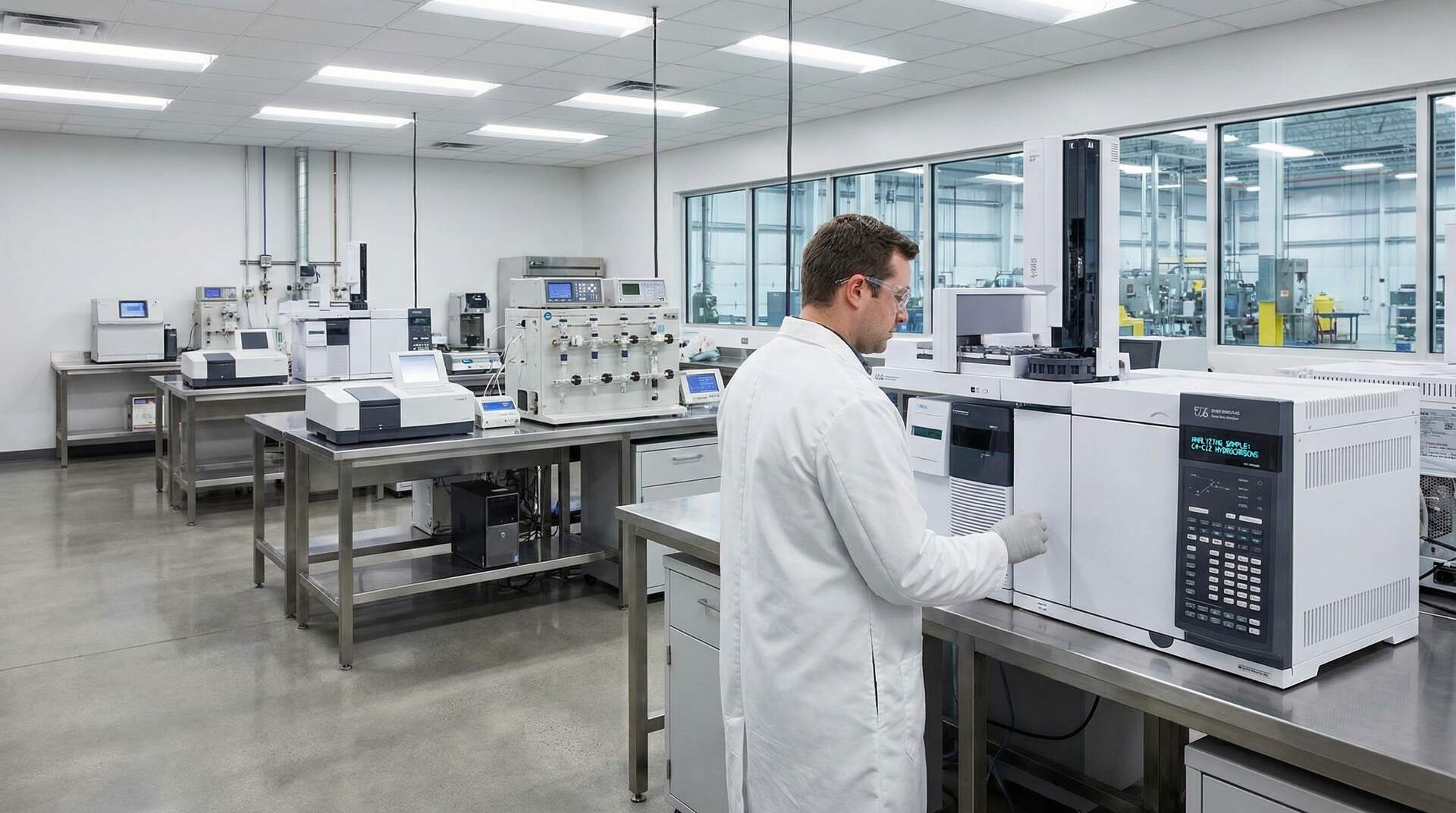
Analytical Instrumentation: A Comprehensive Selection Guide
Essential guide to selecting analytical instruments for process monitoring, quality control, and environmental compliance in industrial facilities.
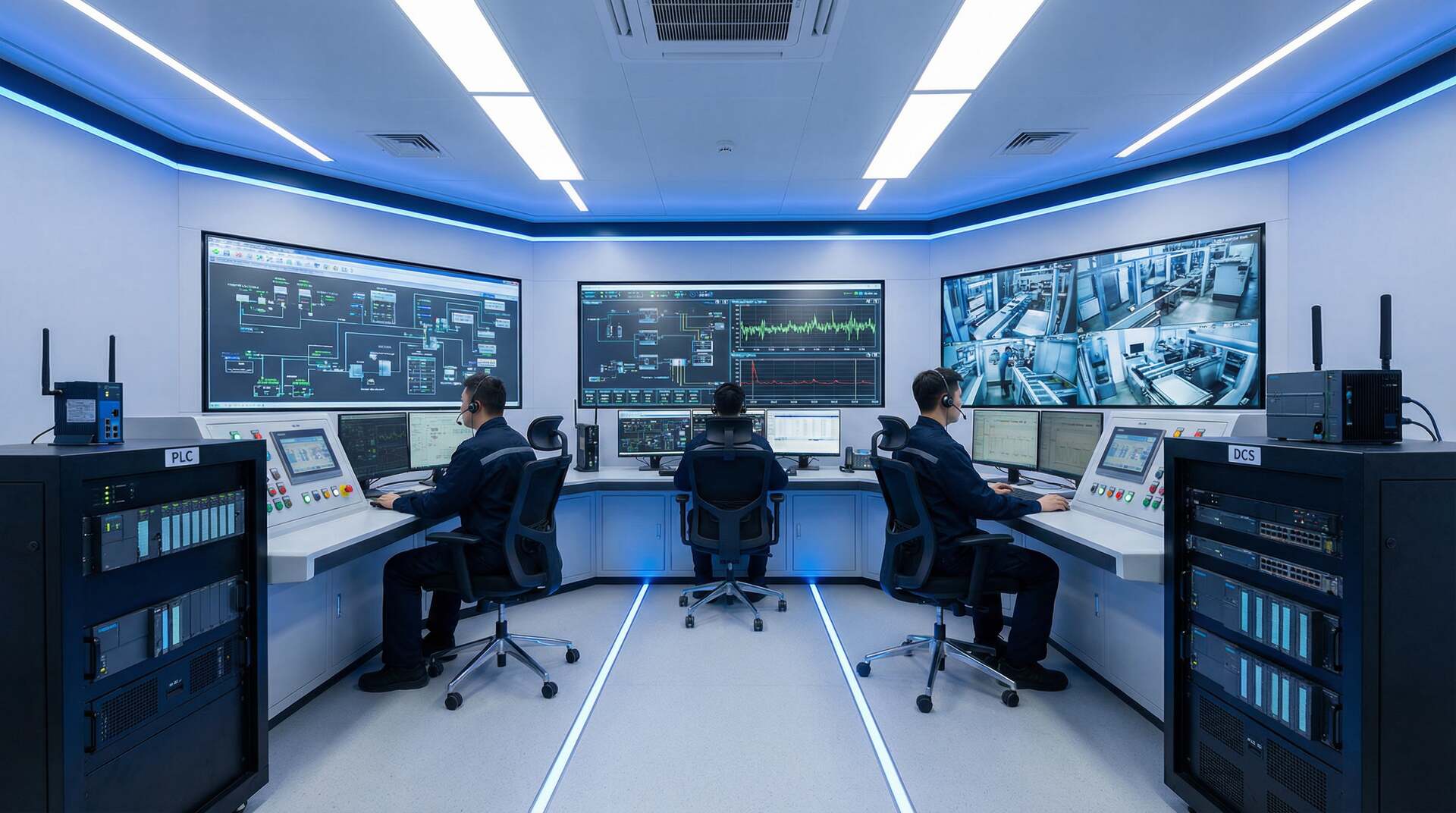
Industrial Automation Best Practices: Optimizing Manufacturing Efficiency
Discover proven strategies and best practices for implementing industrial automation systems that improve efficiency, reduce costs, and enhance product quality.
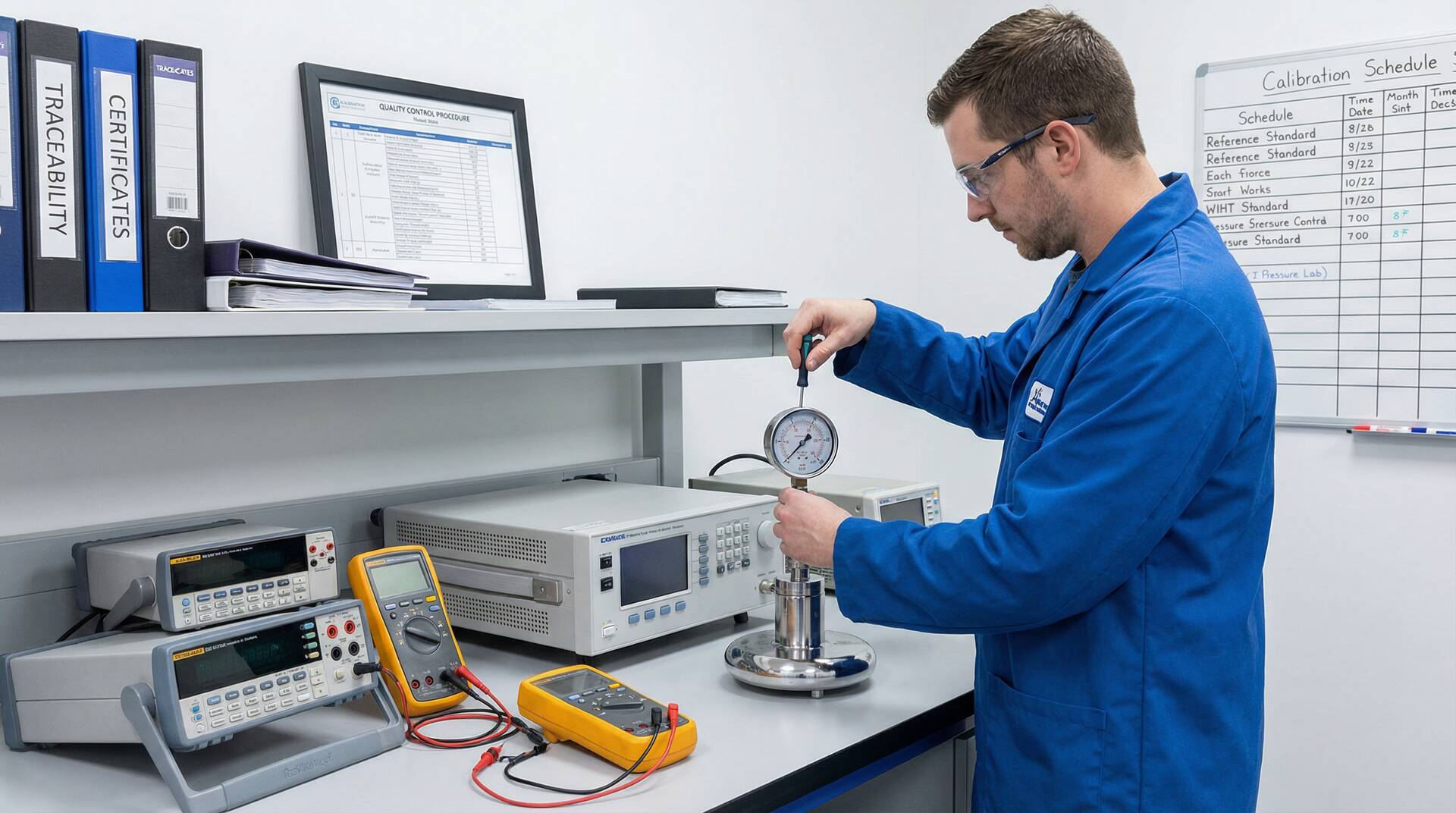
Calibration and Maintenance Guide for Industrial Instrumentation
Essential guide to calibration procedures, maintenance schedules, and best practices for ensuring accuracy and reliability of industrial instruments.