
Process Optimization Strategies Using Advanced Instrumentation
Learn how to leverage advanced instrumentation and control strategies to optimize industrial processes, improve efficiency, and reduce operating costs.
The Role of Instrumentation in Process Optimization
Advanced instrumentation and control systems are fundamental enablers of process optimization in modern industrial facilities. By providing accurate, real-time measurements of critical process variables, sophisticated instruments enable operators and control systems to make informed decisions that improve efficiency, product quality, and profitability. This guide explores strategies for leveraging advanced instrumentation to optimize industrial processes.
Foundation for Optimization
Process Understanding
Effective optimization begins with thorough process understanding. Develop detailed process models describing relationships between manipulated variables, disturbances, and controlled variables. Use first-principles models based on mass and energy balances, empirical models derived from plant data, or hybrid approaches combining both methods.
Identify process constraints limiting production capacity or product quality. Constraints may include equipment limitations, raw material properties, environmental regulations, or safety considerations. Understanding constraints is essential for determining optimal operating conditions and identifying improvement opportunities.
Measurement System Assessment
Assess existing measurement systems to identify gaps and improvement opportunities. Evaluate measurement accuracy, response time, reliability, and coverage of critical process variables. Poor measurements limit optimization potential and may lead to suboptimal decisions. Invest in upgrading critical measurements that significantly impact process performance.
Consider advanced measurement technologies such as online analyzers, multivariable sensors, and soft sensors (virtual measurements calculated from other process variables). These technologies provide measurements of difficult-to-measure variables or improve measurement quality compared to traditional instruments.
Advanced Control Strategies
Cascade Control
Cascade control improves disturbance rejection and response time by using two controllers in series. The primary controller manipulates the setpoint of a secondary controller, which directly controls the final control element. Cascade control is effective when secondary variables respond faster than primary variables and when measurable disturbances affect the secondary variable.
Common applications include temperature control using flow cascade, level control using flow cascade, and pressure control using valve position cascade. Proper tuning of both controllers is essential for optimal performance. Tune the secondary controller first, then tune the primary controller with the secondary loop in automatic mode.
Feedforward Control
Feedforward control anticipates the effect of measurable disturbances and takes corrective action before the controlled variable is affected. This proactive approach significantly improves disturbance rejection compared to feedback control alone. Feedforward control requires accurate process models and reliable disturbance measurements.
Implement feedforward control in combination with feedback control to handle both measured and unmeasured disturbances. Common applications include compensating for feed composition changes, flow rate variations, and ambient condition changes. Tune feedforward gains based on steady-state process models and refine through plant testing.
Model Predictive Control
Model Predictive Control (MPC) is an advanced control technique that uses process models to predict future behavior and optimize control actions over a prediction horizon. MPC handles multivariable control problems, manages process constraints, and optimizes economic objectives while maintaining stable control.
MPC applications include distillation column control, reactor temperature control, and furnace optimization. Successful MPC implementation requires accurate process models, reliable measurements, and proper tuning of controller parameters. MPC provides significant benefits in complex, highly interactive processes where traditional control strategies are inadequate.
Real-Time Optimization
Economic Optimization
Real-time optimization (RTO) determines optimal operating conditions that maximize economic objectives such as profit, throughput, or energy efficiency while satisfying process constraints. RTO uses rigorous process models and current plant measurements to calculate optimal setpoints for regulatory control systems.
Implement RTO in a hierarchical control structure above advanced control systems. RTO typically executes every 15 minutes to several hours, depending on process dynamics and economic drivers. Successful RTO requires accurate process models, reliable measurements of key process variables, and proper handling of process constraints and disturbances.
Energy Optimization
Energy costs represent a significant portion of operating expenses in many industrial processes. Implement energy optimization strategies to minimize energy consumption while maintaining production targets and product quality. Opportunities include optimizing heat integration, improving equipment efficiency, and reducing energy waste.
Advanced instrumentation enables energy optimization by providing detailed measurements of energy flows, equipment performance, and process conditions. Use energy monitoring systems to identify waste, benchmark performance, and track improvement initiatives. Implement automatic controls to maintain optimal energy efficiency as operating conditions change.
Data Analytics and Machine Learning
Predictive Analytics
Predictive analytics uses historical data and statistical models to forecast future process behavior, equipment performance, and product quality. Applications include predicting equipment failures, forecasting product properties, and anticipating process upsets. Predictive models enable proactive interventions that prevent problems before they impact operations.
Implement predictive analytics using various techniques including statistical process control, time-series analysis, and machine learning algorithms. Ensure data quality through proper data cleansing, outlier detection, and missing data handling. Validate predictive models using independent test data and monitor model performance over time.
Machine Learning Applications
Machine learning algorithms discover complex patterns in process data that traditional analytical methods may miss. Applications include soft sensor development, fault detection and diagnosis, quality prediction, and optimization. Deep learning techniques handle high-dimensional data and nonlinear relationships effectively.
Successful machine learning implementation requires large amounts of quality training data, appropriate algorithm selection, and proper model validation. Start with simpler algorithms and progress to more complex methods as needed. Implement continuous learning to adapt models as process conditions change. Ensure model interpretability for critical applications where understanding model behavior is important.
Performance Monitoring
Key Performance Indicators
Establish key performance indicators (KPIs) to track process performance and optimization effectiveness. Common KPIs include production rate, energy consumption, yield, quality metrics, and equipment efficiency. Display KPIs on operator interfaces and management dashboards to maintain focus on performance goals.
Benchmark KPIs against historical performance, design targets, and industry standards. Use statistical process control to detect performance degradation and trigger investigations. Implement automated alerts when KPIs deviate from acceptable ranges. Regularly review KPIs to identify improvement opportunities and track progress on optimization initiatives.
Controller Performance Monitoring
Monitor control system performance to ensure controllers operate effectively and identify tuning opportunities. Assess controller performance using metrics such as settling time, overshoot, integral absolute error, and valve travel. Poorly performing controllers limit optimization potential and may indicate measurement problems, valve issues, or process changes.
Implement automated controller performance monitoring systems that continuously assess all control loops and prioritize improvement opportunities. Address poor performers through retuning, control strategy changes, or equipment upgrades. Maintain documentation of controller performance and improvement actions.
Implementation Approach
Phased Implementation
Implement process optimization in phases to manage risk and demonstrate value. Start with quick wins that provide immediate benefits and build support for larger initiatives. Progress from basic regulatory control improvements to advanced control and finally to real-time optimization. Each phase should deliver measurable benefits that justify continued investment.
Change Management
Successful optimization requires effective change management to gain operator acceptance and maintain improvements. Involve operations personnel early in project planning, provide comprehensive training, and demonstrate benefits through pilot testing. Address concerns about job security, increased complexity, and loss of manual control through open communication and gradual implementation.
Sustaining Improvements
Optimization is not a one-time project but an ongoing process requiring continuous attention. Establish procedures for monitoring optimization system performance, responding to degradation, and implementing improvements. Assign clear responsibilities for system maintenance, including model updates, controller tuning, and performance monitoring.
Conduct regular optimization reviews to assess performance, identify new opportunities, and share best practices. Maintain engineering expertise through training, knowledge sharing, and involvement in industry forums. Document optimization strategies, models, and lessons learned to preserve knowledge and facilitate future improvements.
Conclusion
Process optimization using advanced instrumentation and control strategies offers significant opportunities for improving industrial process performance. By implementing systematic approaches to measurement improvement, advanced control, real-time optimization, and data analytics, organizations can achieve substantial benefits in efficiency, quality, and profitability. Success requires thorough process understanding, appropriate technology selection, effective implementation, and sustained focus on continuous improvement.
Tags:
Related Articles
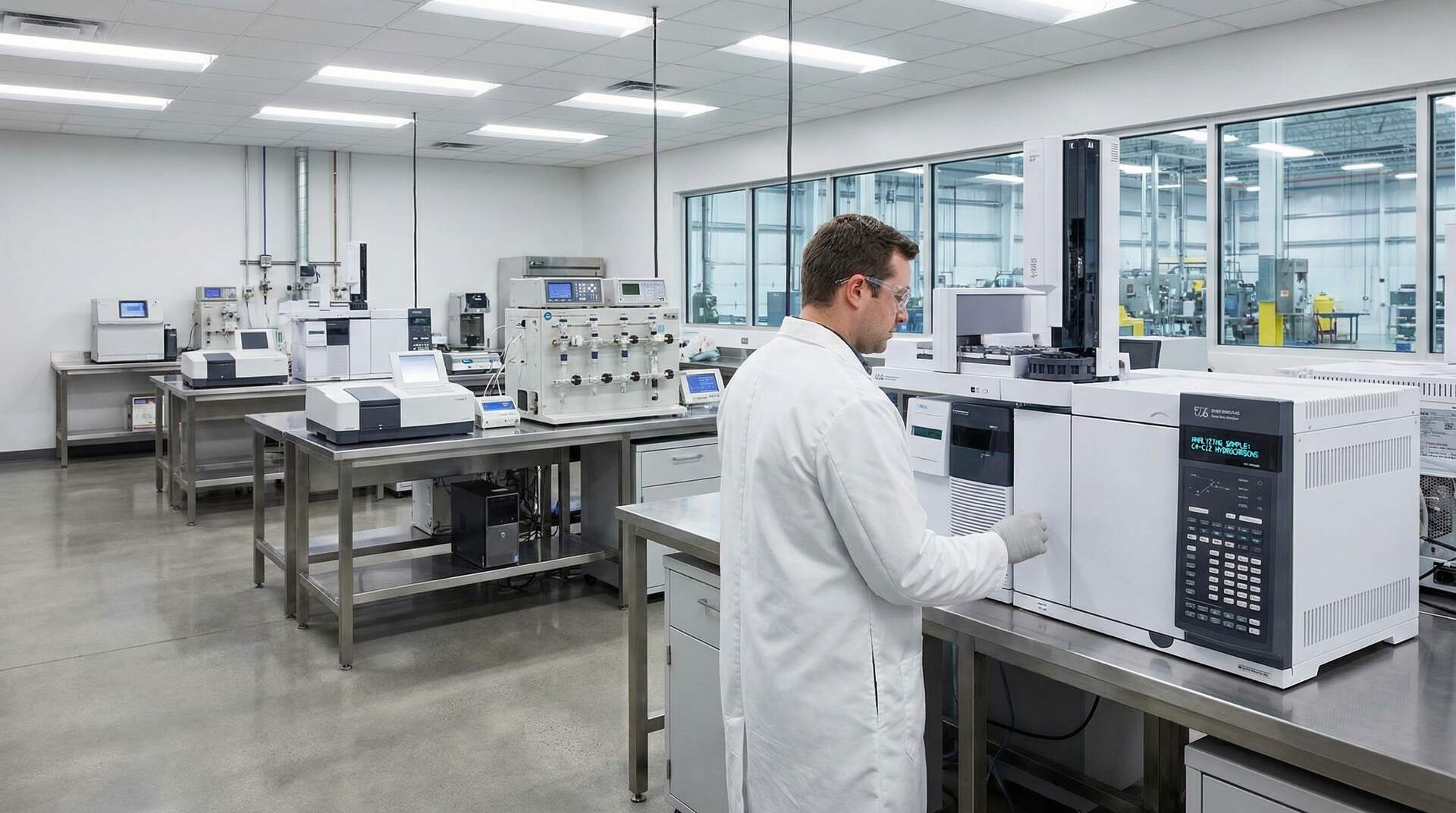
Analytical Instrumentation: A Comprehensive Selection Guide
Essential guide to selecting analytical instruments for process monitoring, quality control, and environmental compliance in industrial facilities.
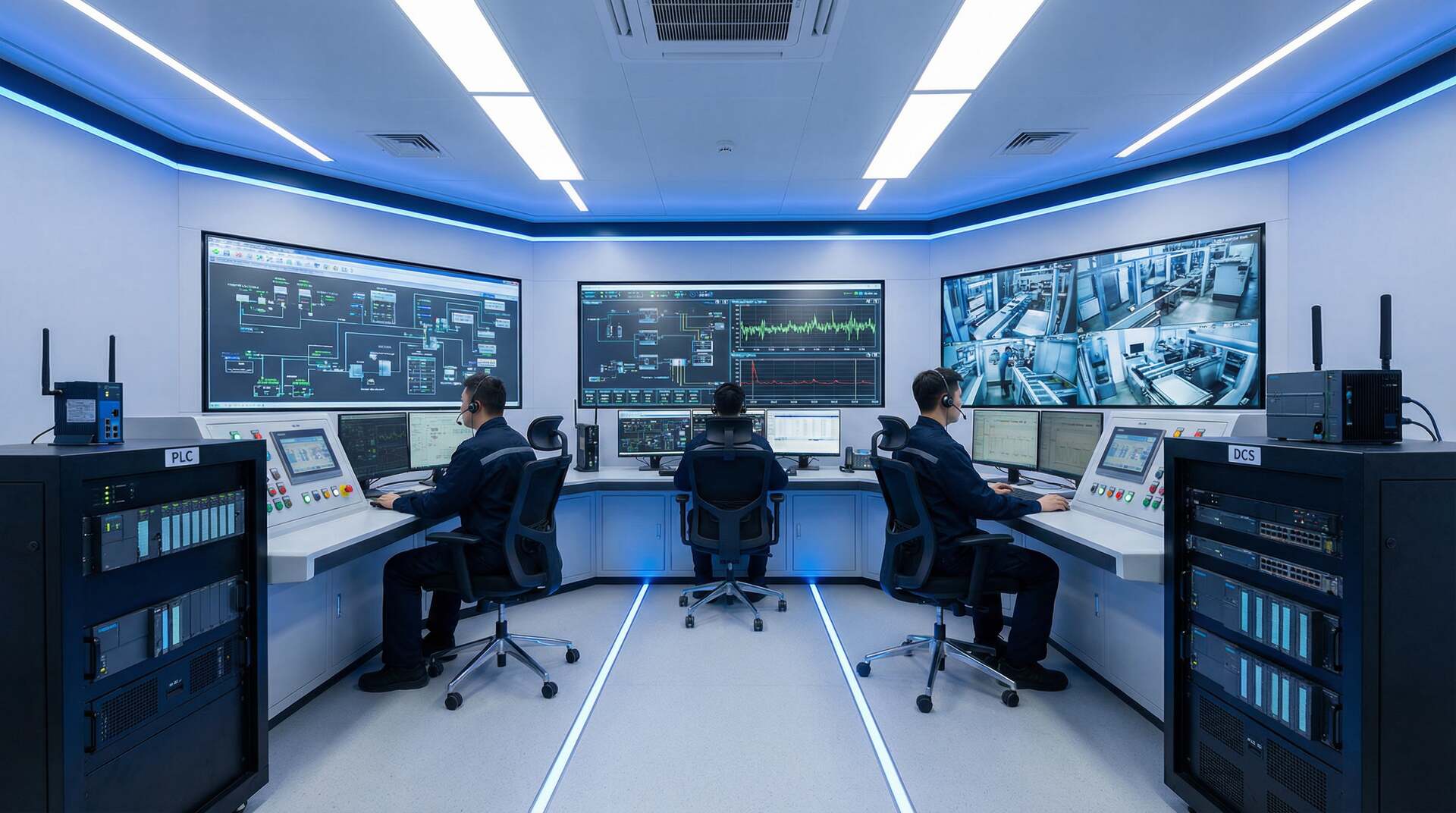
Industrial Automation Best Practices: Optimizing Manufacturing Efficiency
Discover proven strategies and best practices for implementing industrial automation systems that improve efficiency, reduce costs, and enhance product quality.
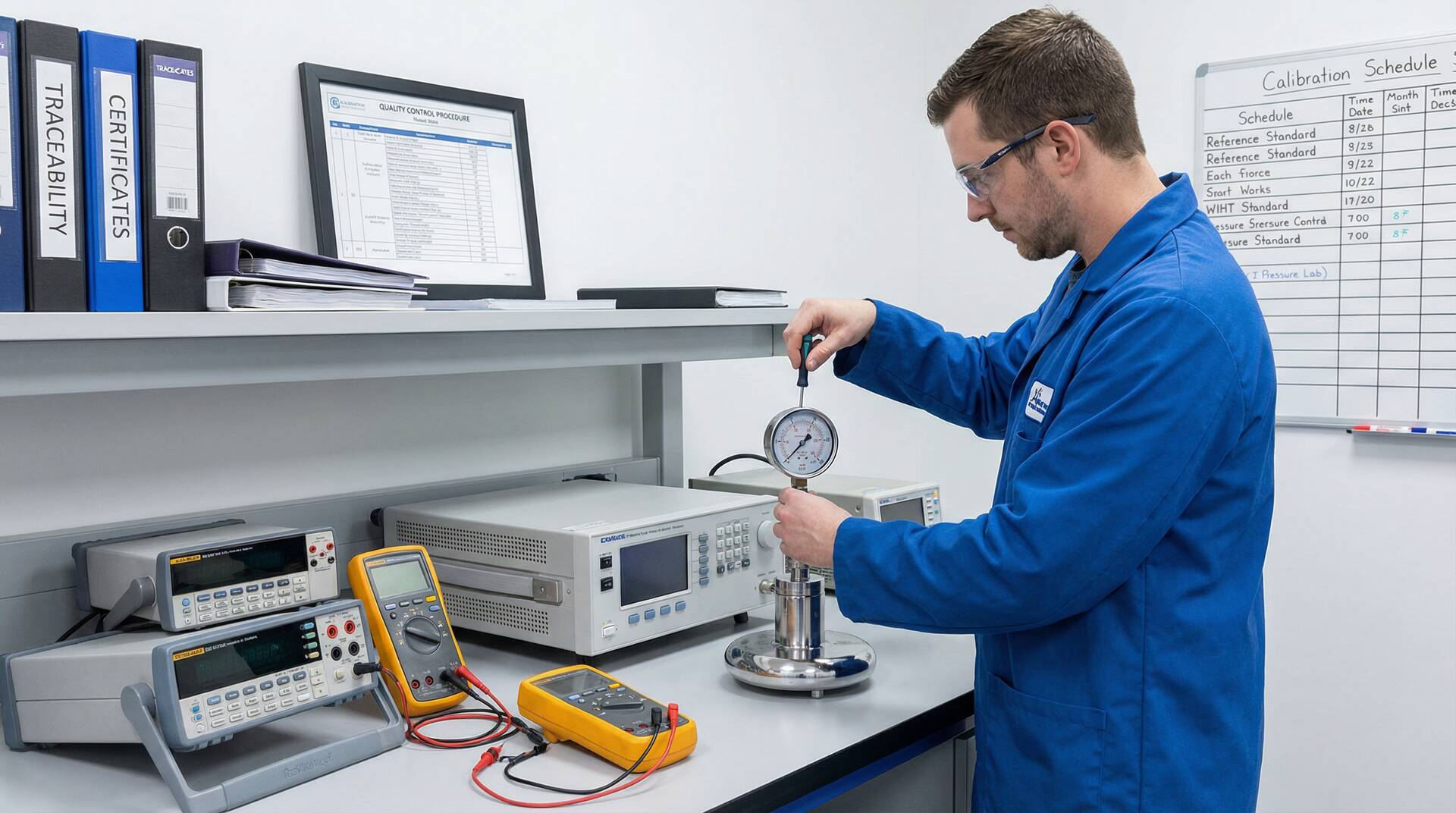
Calibration and Maintenance Guide for Industrial Instrumentation
Essential guide to calibration procedures, maintenance schedules, and best practices for ensuring accuracy and reliability of industrial instruments.